








Do I add Diesel Injector & DPF Flush to the fuel tank or the DEF tank?
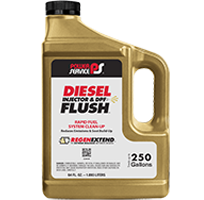
Diesel Injector & DPF Flush is to be added to the fuel, not the DEF (diesel exhaust fluid) tank. This product is a fuel additive, as all Power Service products are, and it should only ever be added to the fuel.
Read MoreHow often should I use Diesel Injector & DPF Flush?
For best results and optimal fuel system health, we recommend using Diesel Injector & DPF Flush monthly for a deep clean. It can also be used on an as-needed basis to quickly address specific injector or fuel system issues.
Read MoreChallenges for Fleet Operators due to the Variability of Diesel Fuel Quality in North America: Winter Operability
As our world transitions towards cleaner and more sustainable transportation solutions, modern diesel engines are required to operate efficiently for extended periods, consuming more diesel fuel than ever before. This increased fuel consumption places a spotlight on the critical role of diesel fuel quality in ensuring the performance and longevity of these engines. These are some of the specific challenges posed by the variability in diesel fuel quality as it relates to winter operability in North America.
Read MoreWinter’s Bite: Gel and Ice
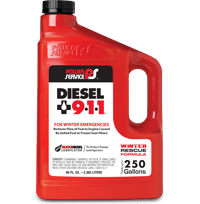
Iced-up fuel-filters or fuel lines are common in diesel engines when the temperature is very close to 32-degrees. Power Service has an emergency diesel-fuel solution called Diesel 911 and it’s a winter emergency use product specifically designed to get an iced or gelled-up diesel engine back running quickly.
Read MoreWhat Happens to Diesel Fuel in Cold Weather?
What Happens to Diesel Fuel in Cold Weather?
Read MoreProtect Your Diesel Now, Before Winter’s Wrath Turns it Foul
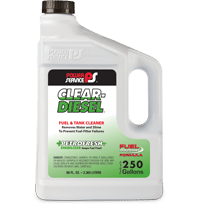
There is simply no way to keep water from contaminating your tank of diesel fuel. Clear-Diesel Fuel & Tank Cleaner polishes your diesel fuel, prevents cold-weather failures, and protects fuel quality over a long, cold winter. Here’s how.
Read MoreWinter Weather and Diesel Fuel: How to Avoid a Breakdown
Diesel fuel has unique properties that provide the power and performance you depend on in your vehicle. But there are crucial differences between it and gasoline that are important to understand in the depths of winter. If you went into a laboratory with instructions to create a liquid fuel capable of providing tremendous low-end torque, high horsepower and the ability to allow a heavy vehicle to cruise efficiently for long distances, you’d emerge with something very similar to diesel fuel swirling around in the lab beaker in your hand. Diesel fuel is a wonder of the modern age that delivers exceptional performance in heavy-duty vehicles – from long-haul Class 8 tractor-trailers to heavy-duty pickup trucks. But those unique properties that give diesel fuel such potency in your engine also come with some substantial differences from gasoline. And it’s important to understand these properties so that you can properly manage them to ensure a long, productive and dependable life for your diesel powertrain. Winter operability of diesel fuel is measured by three primary data points. Let’s go through each one to learn what they are, why they’re important, and what you need to do about each one to ensure proper […]
Read MoreDiesel 911: the number-one emergency-use product for diesels for decades
Proven – by the generations of diesel operators that swear by Diesel 911. Diesel drivers know how quickly things can turn bad when a fuel-filter plugs in cold weather. Fuel-filters plug in winter for two reasons: (1) ice and (2) wax.
Read MoreUse the Power Service 3-Step Winter Prep to outsmart winter!
The good news is that you can outsmart winter with our simple 3-Step Winter Prep Guide!
Read MoreHave You Ever Heard of Asphaltenes?
Dark deposits on your fuel-filters could be asphaltenes. Learn how to remove them and prevent them from forming in the first place with Diesel Kleen.
Read More