








Preparing Farm Diesel Equipment for Winter: 3 Steps Before the First Freeze

Read the Full Article on Farm Futures
From managing operational logistics to keeping critical machinery dependable when winter weather moves in, get the complete breakdown directly from Jessica Crabtree.
Read Jessica’s full advice in Farm Futures: Top Tips: How to Overcome Grain Stocks Whiplash
Winter weather brings significant operational headaches to the farm, but freeze-ups don’t have to be an inevitable cost of doing business. In a featured operational guide for Farm Futures, Power Service Products Director of Technical Services Jessica Crabtree breaks down how growers can stay ahead of cold-weather downtime.
Whether managing high-horsepower combines finishing late harvest, feeding cattle, or keeping grain-handling setups running, unconditioned fuel can shut operations down overnight. In the article, Crabtree outlines three proactive maintenance steps every operation should tackle before temperatures plunge.
Key Takeaways from the Farm Futures Feature
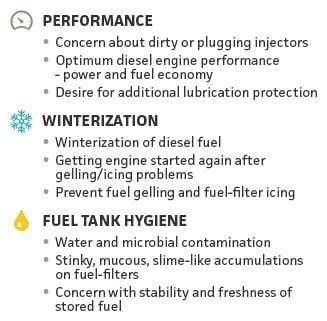
1. Dehydrate Fuel Tanks to Strip Out Summer Condensation
Warm, humid air cycling through storage tanks and machine breathers over summer and fall creates water condensation. Because water sinks below diesel, it pools at the tank bottom and gets drawn straight into lines and separators.
Once temperatures hit 32°F, that free water freezes into slush and ice crystals, blinding primary filters long before the fuel itself gels.
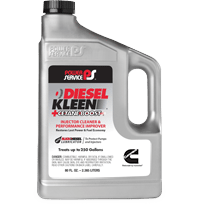
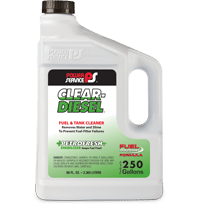
Regular sump drainage combined with an effective tank dehydrator removes dissolved and pooled moisture safely without using engine-damaging alcohols.
2. Treat with Antigel While Fuel is Still Above Its Cloud Point
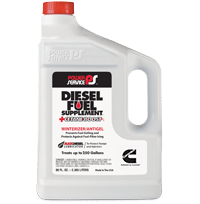
Untreated No. 2 diesel contains natural paraffin wax that precipitates out as temperatures tumble. Anti-gel additives prevent these wax platelets from interlocking into a fuel-blocking matrix, but timing is everything:
Antigel is strictly preventative—it must be introduced into the bulk supply or equipment tank before the fuel reaches its Cloud Point (typically 15°F to 32°F).
Pouring antigel into already-clouded or gelled fuel cannot dissolve the wax crystals that have already formed. Treating early and running equipment for 10–15 minutes ensures conditioned fuel reaches every line and filter media.
3. Keep Dedicated Emergency Fuel Additives on Standby in the Cab and Shop
Polar vortex snaps, unexpected temperature plummets, or deliveries of unconditioned summer fuel can overpower standard preventative dosages.
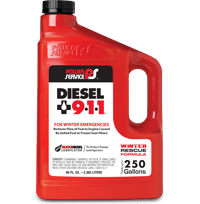
While antigel keeps fluid flowing, true emergency diesel de-icers are chemical tools engineered to thaw frozen fuel filters and liquefy existing gelled fuel right on the machine.
Keeping emergency rescue additives in the shop and machine cab prevents having to haul dead tractors out of fields into a heated shop.
Quick Reference: Pre-Winter Fuel Preparation
| Maintenance Window | Critical Objective | Primary Action | Target Risk |
|---|---|---|---|
| Early Fall | Moisture Elimination | Drain water separators; treat bulk & machine tanks with fuel dehydrator | Frozen ice slush at 32°F; tank rust; microbial growth |
| Prior to First Freeze | Wax Anti-Gelling | Blend anti-gel additive above Cloud Point; circulate through lines | Filter plugging; paraffin wax solidification |
| Mid-Winter Cold Snap | Emergency Recovery | Stock specialized diesel rescue de-icer bottles in cabs and shop | Sudden unpredicted gelling; roadside/field shutoffs |
Read the Full Article on Farm Futures
From managing operational logistics to keeping critical machinery dependable when winter weather moves in, get the complete breakdown directly from Jessica Crabtree.
Read Jessica’s full advice in Farm Futures: Top Tips: How to Overcome Grain Stocks Whiplash
Frequently Asked Questions
What did Jessica Crabtree recommend in Farm Futures for winter diesel prep?
Jessica Crabtree highlighted three primary steps: dehydrating fuel tanks to remove condensation before it freezes into ice, treating diesel with an anti-gel additive before it reaches its Cloud Point, and keeping emergency rescue de-icers on hand for unexpected deep-freeze filter plugging.
When should you treat farm diesel fuel with antigel?
Antigel should always be added before temperatures reach the fuel’s Cloud Point (usually between 15°F and 32°F for No. 2 diesel). Once wax crystals form and plug the filter media, standard antigels cannot reverse the crystallization; an emergency rescue product is required.
ABOUT THE AUTHOR
Jessica Crabtree, BS Chemistry (ACS Certified)
Jessica is the Director of Technical Services at Power Service Products, bringing over 12 years of specialized experience in fuel system performance and maintenance. Analyzing over 2,000 fuel samples annually, she provides data-driven insights into real-world fuel quality, fuel stability, and equipment longevity. An active member of ASTM Committee D02, she leverages her technical expertise to help fleets and drivers optimize fuel efficiency and ensure operational reliability in all seasonal conditions.