








How to Bring Your Diesel Out of Hibernation: A Spring Start-Up Guide
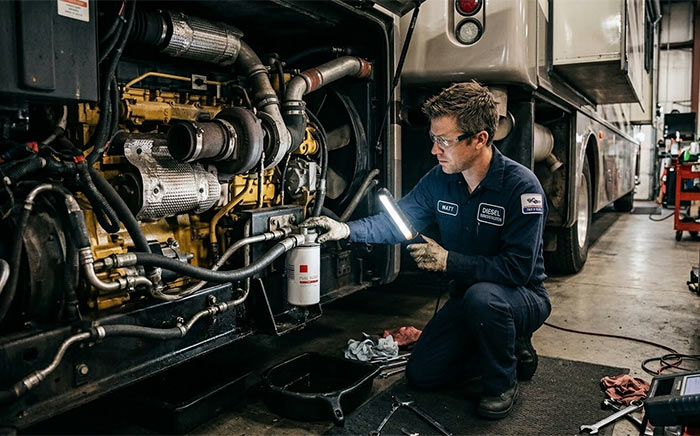
Don’t risk a “No-Start Monday.” Learn how to remove diesel fuel algae, clear winter condensation and protect your injectors with our expert spring start-up guide for RV and Ag equipment.
Your 3-Step Guide to a Flawless Spring Start-Up
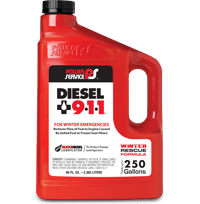
Bringing a diesel engine out of hibernation is more than just turning the key. To prevent clogged filters and smoky starts, you need a plan. Our Spring Diesel Start-Up Checklist breaks the process down into four simple phases: Fuel Stabilization, The Deep Flush, Mechanical Walkarounds, and the First Start-Up. Use this expert-backed guide to clear out the winter sludge and maximize your fuel economy from day one.
Quick Summary: The 3-Step Spring Fuel Fix
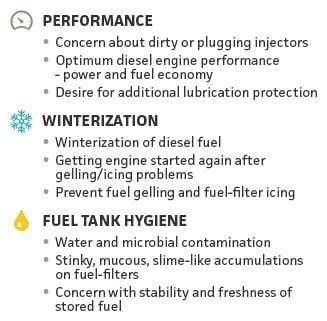
The Problem: Winter temperature swings cause tank condensation, leading to “diesel algae,” water contamination, and injector-tip erosion.
The Solution:
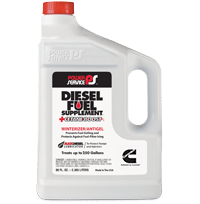
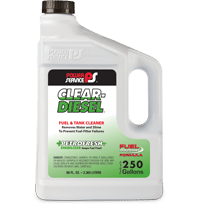
1. Clear-Diesel Fuel & Tank Cleaner to remove water and “polish” stored fuel.
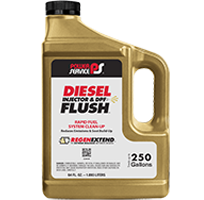
2. Diesel Injector & DPF Flush for a one-tank flush to deep clean the entire fuel system.
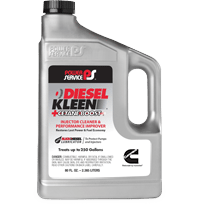
3. Diesel Kleen +Cetane Boost for every fill-up to maintain peak performance and provide much-needed lubricity protection.
1. How to Remove Water and Algae from Stored Diesel Fuel
The biggest threat to stored diesel is water. During the winter, temperature fluctuations cause the air inside your fuel tank to “breathe,” leading to condensation on the inner walls. This moisture settles at the bottom, creating a breeding ground for microbial growth (often called diesel algae) and fuel degradation.
The Solution: The “Fuel Polishing” Phase
Before you even crank the engine, add Clear-Diesel Fuel & Tank Cleaner. It removes water and disperses the contaminants that have settled during the off-season. Think of this as “polishing” the fuel that’s been sitting for months – ensuring that when it hits your filters, it doesn’t carry a winter’s worth of sludge.
2. Deep-Cleaning Injectors and DPF After Storage
After months of sitting idle, your fuel system needs more than just a “top-off.” To ensure your engine starts strong, you need a two-step approach to internal engine health.
The “Flush” (First Tank)
For your very first tank of the season, use Diesel Injector & DPF Flush. This concentrated formula rapidly cleans the entire system from tank to tailpipe, scrubbing away “cooked-on” carbon deposits on injector tips and clearing soot from the Diesel Particulate Filter (DPF). This restores proper spray patterns and prevents “limp mode” or frequent regeneration cycles.
The Maintenance (Every Tank)
Once you’ve cleared the winter cobwebs, switch to Diesel Kleen +Cetane Boost for every fill-up.
• Boosted Cetane: Provides a 6-point boost for faster, smoother start-ups.
• Maximum Lubricity: Protects high-pressure fuel pumps and injectors from wear.
• Efficiency: Keeps injectors from coking up, ensuring maximum fuel economy all season.
3. The Mechanical Walkaround: Beyond the Fuel Tank
While chemistry handles the internals, you must inspect the hardware:
• The “Rodent Search”: Check air-intake boxes and wiring harnesses for signs of mice.
• Battery Health: Test voltage and check for terminal corrosion; high-compression starts require maximum Cold Cranking Amps (CCAs).
• Fluid Check: Inspect oil for a “milky” appearance (indicating leaks) and check coolant pH to prevent liner pitting.
• Tire Inspection: Look for “flat spotting” or dry-rot cracks before adding a load.
• DEF System: Ensure your Diesel Exhaust Fluid is fresh, as it has a shelf life of roughly one year.
4. The First Start-Up: Listen for the “Clatter”
When you finally turn the key, let the engine idle for several minutes to allow oil to reach the turbocharger bearings. If the engine sounds excessively loud or “nails,” the detergents in your fuel treatment will help quiet the engine as they balance injector flow rates.
Frequently Asked Questions (FAQ)
Does diesel fuel go “bad” during winter storage?
Yes. Diesel is organic and begins to degrade immediately. Moisture from winter condensation creates a breeding ground for microbial growth (diesel algae). Using a stabilizer like Clear-Diesel before your first start-up helps remove this water and prevents filter plugging.
What are the symptoms of water in my diesel fuel?
Common signs include a “Water in Fuel” dashboard light, rough idling, loss of RPMs, or white smoke. In high-precision RV and Ag engines, water can lead to injector-tip erosion and fuel pump wear.
How do I get rid of “diesel algae” in my RV or tractor?
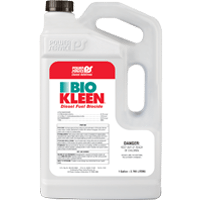
You must remove the water they live in. Use Clear-Diesel Fuel & Tank Cleaner to disperse contaminants. For severe cases, follow with a “shock treatment” of Bio Kleen Diesel Fuel Biocide to kill the microbes.
Why is my diesel engine blowing white smoke after sitting all winter?
White smoke usually is caused by incomplete combustion due to water in the fuel or carbon deposits on the injectors. https://powerservice.com/psp_product/diesel-kleen-cetane-boost/ improves combustion quality, while Diesel Injector & DPF Flush removes the deposits causing the smoke.
Should I change my diesel fuel filters during spring maintenance?
It is highly recommended. Winter sludge can clog filters quickly during your first few miles. Replacing filters after treating your fuel ensures that loosened contaminants don’t starve the engine.