







2026 EPA DEF Regulation Changes: What Diesel Operators Need to Know

By Jessica Crabtree
Director of Technical Services, Power Service Products
July 20, 2026
Executive Summary
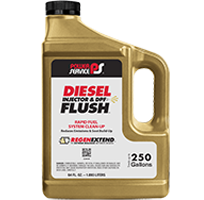
The Environmental Protection Agency (EPA) has introduced major updates to Diesel Exhaust Fluid (DEF) and emissions regulations for commercial trucking and agricultural industries. By replacing harsh, immediate “limp mode” power reductions with extended grace periods, operators get critical operational flexibility. However, extended grace periods introduce a major trap: maintenance complacency. Proactive maintenance using treatments like Diesel Injector & DPF Flush® powered by REGENEXTEND® technology remains essential to prevent long-term engine damage and avoid costly downtime.
Key Takeaways: What Changed in the 2026 EPA DEF Rules?
• Extended Derate Windows: On-highway trucks get up to 4,200 miles or 80 hours of warning and mild derating before speed caps hit (capped at 45 mph max). Off-road and farm equipment receive a 36-hour grace period with zero operational impact following a DEF fault.
• Shift to NOx Sensors: The EPA is directing engine manufacturers to replace failure-prone Urea Quality Sensors with higher-reliability NOx sensors.
• Software Retrofits Allowed: Manufacturers can update software on older heavy-duty vehicles to reverse aggressive derate protocols without violating the Clean Air Act.
• Emissions Standards Remain Strict: While penalties are delayed, emissions compliance rules and anti-tampering laws remain strictly enforced.
Frequently Asked Questions (FAQ)
What are the new 2026 EPA DEF derate grace periods?
For highway trucks, the EPA now allows up to 4,200 miles or 80 hours of mild derate operation before restricting speeds to 45 mph. For agricultural and off-road equipment, operators receive 36 hours of normal operation after a DEF system fault is detected before any power reduction occurs.
Why are extended DEF grace periods a maintenance risk?
When an engine runs for thousands of miles with an active emissions fault, heavy soot continues to accumulate in the system. Delaying repairs leads to severely clogged Diesel Particulate Filters (DPFs), sensor fouling, and domino-effect mechanical failures that result in expensive shop repairs.
How does Diesel Injector & DPF Flush prevent emissions faults?
Diesel Injector & DPF Flush cleans carbon deposits off fuel injectors to ensure ideal fuel atomization and complete combustion. By stopping soot generation in the combustion chamber, it protects the DPF filter, reduces active regenerations, and keeps sensitive NOx sensors clean.
The Hidden Risk: Why Complacency Costs More Than Compliance
The shift away from immediate roadside shutdowns eliminates panic, but it makes proactive maintenance more important than ever.
The Maintenance Trap: Operating a vehicle for thousands of miles with a minor fault allows unburned fuel and soot to bypass the combustion chamber. This heavily loads the DPF, triggers continuous active regenerations, and degrades sensor accuracy.
2026 EPA DEF Rules: Reactive Trap vs. Proactive Solution
INITIAL EVENT: 2026 EPA DEF System Fault Triggered

PATH A: THE COMPLACENCY TRAP
(Ignoring Fault / Delaying Maintenance During Grace Period)
- • Step 1: Carbon Deposits Restrict Fuel Injectors
- • Step 2: Incomplete Combustion Generates Excessive Soot
- • Step 3: Heavy Soot Accumulates in DPF & Fouls NOx Sensors
- • Step 4: 4,200-Mile / 36-Hour EPA Grace Period Expires
- • FINAL OUTCOME: Forced Speed Derates, Severe DPF Clogging & Expensive Shop Repairs

PATH B: THE PROACTIVE SOLUTION
(Using Diesel Injector & DPF Flush with REGENEXTEND)
- • Step 1: Injectors Cleaned for Optimal Fuel Atomization
- • Step 2: Complete Combustion Minimizes Exhaust Soot Production
- • Step 3: REGENEXTEND Active Chemistry Breaks Down Ash & Soot & Restores DPF Capacity
- • Step 4: Clean Exhaust Protects Sensitive NOx Sensors from False Faults
- • FINAL OUTCOME: Continuous Uptime, Extended Filter Life & Maximum MPG
How Diesel Injector & DPF Flush Protects Your Diesel
To maximize the benefits of the new EPA regulations without falling into the derate trap, maintenance must move from reactive fixing to proactive care. Incorporating Diesel Injector & DPF Flush featuring REGENEXTEND® into your regular service routine addresses emissions problems at the root source:
1. Eliminates Soot at the Source
Emissions health begins in the combustion chamber. Over time, carbon deposits disrupt injector spray patterns, leading to incomplete combustion. Flushing injectors ensures complete fuel atomization, creating a cleaner burn and dramatically lowering the soot load sent down the line.
2. Restores DPF Capacity & Reduces Regenerations
Excessive soot forces the engine into frequent active regenerations, burning extra fuel to cook off trapped particulates. Advanced REGENEXTEND® chemistry breaks down accumulated ash and soot, restoring DPF capacity and extending filter life.
3. Protects Sensitive NOx Sensors
Although NOx sensors are more reliable than older Urea Quality Sensors, they remain vulnerable to soot buildup. Keeping the exhaust stream clean ensures accurate sensor readings and can prevent false fault codes from triggering the 4,200-mile derate countdown.
4. Maximizes MPG and ROI
Clean injectors and an unobstructed DPF allow the engine to operate at peak thermodynamic efficiency. Regular treatment restores lost horsepower, smooths rough idling, and yields immediate fuel economy gains that offset maintenance costs.
Summary
The 2026 EPA DEF regulations trade immediate breakdowns for manageable service windows. The most profitable strategy is to keep your equipment out of the derate window entirely. Treating your fuel system monthly with Diesel Injector & DPF Flush protects critical emissions components, maximizes fuel efficiency, and keeps your fleet on the road.
ABOUT THE AUTHOR
Jessica Crabtree, BS Chemistry (ACS Certified)
Jessica is the Director of Technical Services at Power Service Diesel Additives with 12 years of experience in fuel system performance and maintenance. By analyzing over 2,000 fuel samples annually, she provides unique, data-backed insights into real-world fuel quality and equipment longevity. An active member of ASTM Committee D02, she leverages her deep technical background to help fleet managers optimize fuel efficiency, reduce maintenance costs, and ensure reliability in varying regional fuel conditions.