








Sidebar - From the Learning Center
How to Bring Your Diesel Out of Hibernation: A Spring Start-Up Guide
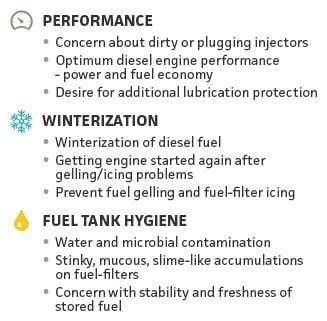
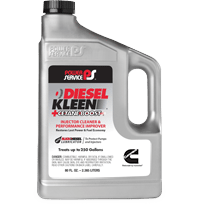
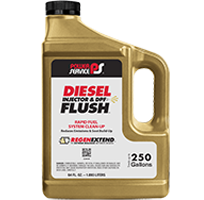
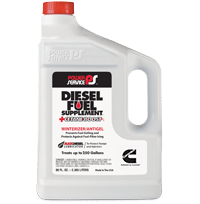
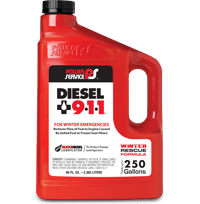
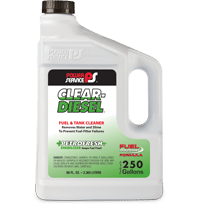
Don’t risk a “No-Start Monday.” Learn how to remove diesel fuel algae, clear winter condensation and protect your injectors with our expert spring start-up guide for RV and Ag equipment. Your 4-Step Guide to a Flawless Spring Start-Up Bringing a diesel engine out of hibernation is more than just turning the key. To prevent clogged filters and smoky starts, you need a plan. Our Spring Diesel Start-Up Checklist breaks the process down into four simple phases: Fuel Stabilization, The Deep Flush, Mechanical Walkarounds, and the First Start-Up. Use this expert-backed guide to clear out the winter sludge and maximize your fuel economy from day one. [Download and Print the Checklist] Quick Summary: The 3-Step Spring Fuel Fix The Problem: Winter temperature swings cause tank condensation, leading to “diesel algae,” water contamination, and injector-tip erosion. The Solution: 1. Clear-Diesel Fuel & Tank Cleaner to remove water and “polish” stored fuel. 2. Diesel Injector & DPF Flush for a one-tank flush to deep clean the entire fuel system. 3. Diesel Kleen +Cetane Boost for every fill-up to maintain peak performance and provide much-needed lubricity protection. 1. How to Remove Water and Algae from Stored Diesel Fuel The biggest threat to stored diesel […]
Read MoreAbout Biodiesel and Biodiesel Blends
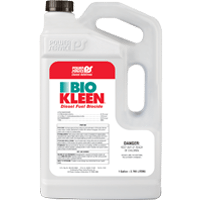
As pressure increases to lessen America’s dependence on fossil fuels, biodiesel will become more widely used as a blended component of diesel fuel. Some states have mandated that all diesel fuels contain varying percentages of biodiesel, and the U.S. government has authorized a B20 fuel (20% biodiesel and 80% diesel fuel) for use in non-strategic applications. Poor cold weather performance, high water content and microbial infestation will require biodiesel fuels to be treated for reliable performance. All Power Service diesel additives are effective in treating biodiesel and biodiesel blends and have directions for their use printed on the back of the containers.
Read More