








99.5% More Miles Between DPF Regens
How a rigorous, multi-state highway test on a 2023 GMC 1500 proved a single application of Diesel Injector & DPF Flush nearly doubles operating intervals between active regenerations.
The Field Test Parameters
The Equipment & Route
- Vehicle: A company-operated 2023 GMC 1500 light-duty diesel truck.
- Route: Extended commercial, long-haul highway travel spanning 6 states: TX, OK, AR, LA, NM, and CO.
- Driver: Kept constant with the same operator across all testing phases to ensure consistency.
The Monitoring Methodology
- Hardware: Equipped with an in-cab Banks iDash diagnostic device wired directly to the vehicle tracking metrics.
- Baseline Phase: Tracked for 5 consecutive, natural baseline regeneration cycles running standard untreated ULSD fuel.
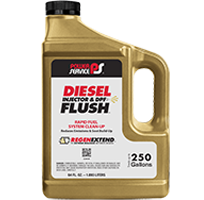
- Treatment Phase: One tank was run low and treated with Diesel Injector & DPF Flush at a strict 1:500 ratio during a standard fill-up. Tracking continued for 5 subsequent cycles.
The Verified Conclusions
- Interval Increase: An exact 99.5% increase in total miles driven between active regeneration cycles.
- MPG Preservation: Active regenerations use fuel to artificially heat exhaust components; reducing them natively preserves fleet fuel economy.
- Reduced Downtime: Minimizes performance loss and structural soot buildup linked to frequent or forced garage regenerations.
Real-Time In-Cab Tracking Data
We didn’t rely on simulation or closed-track modeling. Data points were recorded directly from real-world operations using a Banks iDash interface to track real-time soot accumulation and active cycle triggers.
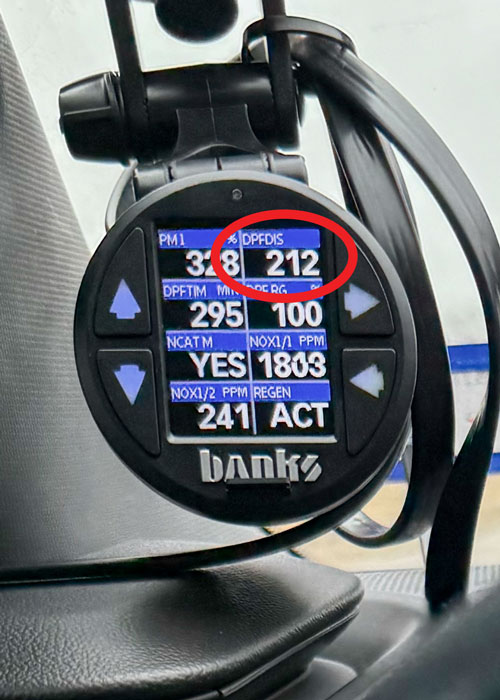
Figure 1.1: Verification of diagnostic telemetry and real-time monitoring via the Banks iDash platform during highway testing.
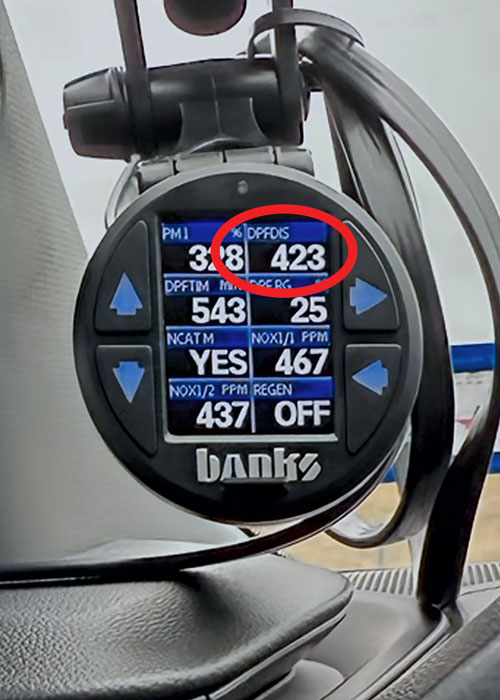
Figure 1.2: Soot accumulation and active status data verification during the post-treatment cycles.
The Mechanics Behind the Data
| The Mechanical Reality | How Diesel Injector & DPF Flush Optimizes It |
|---|---|
| Fuel Spray & Atomization | Deep-cleaning detergents clean existing deposits off fuel injectors, ensuring a precise spray pattern. This achieves optimal combustion and inherently limits initial soot generation. |
| Passive Regeneration | Specific additive components facilitate effective passive regeneration, allowing accumulated soot to burn away safely during standard highway exhaust temperatures without triggering active fuel cycles. |
| Maintenance Overheads | Extending intervals limits thermal stress cycles on hardware, maintaining maximum performance while shielding fleet operations from forced shop regens and costly unprogrammed downtime. |
Learn more about Power Service Diesel Injector & DPF Flush
Learn more about Power Service Diesel Injector & DPF Flush
Beyond Doubling Your Miles Between Regens
Discover how a single-tank Flush rapidly cleans the entire injection system, restores horsepower, reduces NOx emissions, and more
Review the Complete Engineering Report
Access the complete field study methodology, exact mileage points, and step-by-step telemetry readouts.