


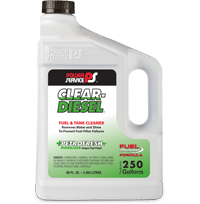






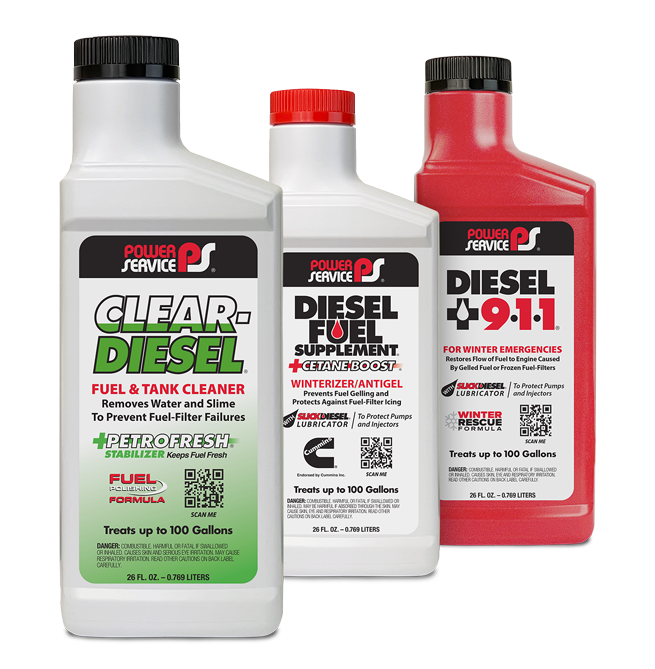
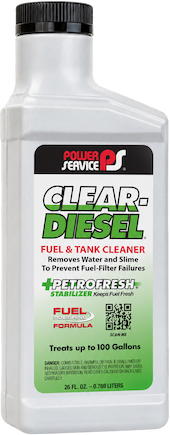
Step 1: Remove Water
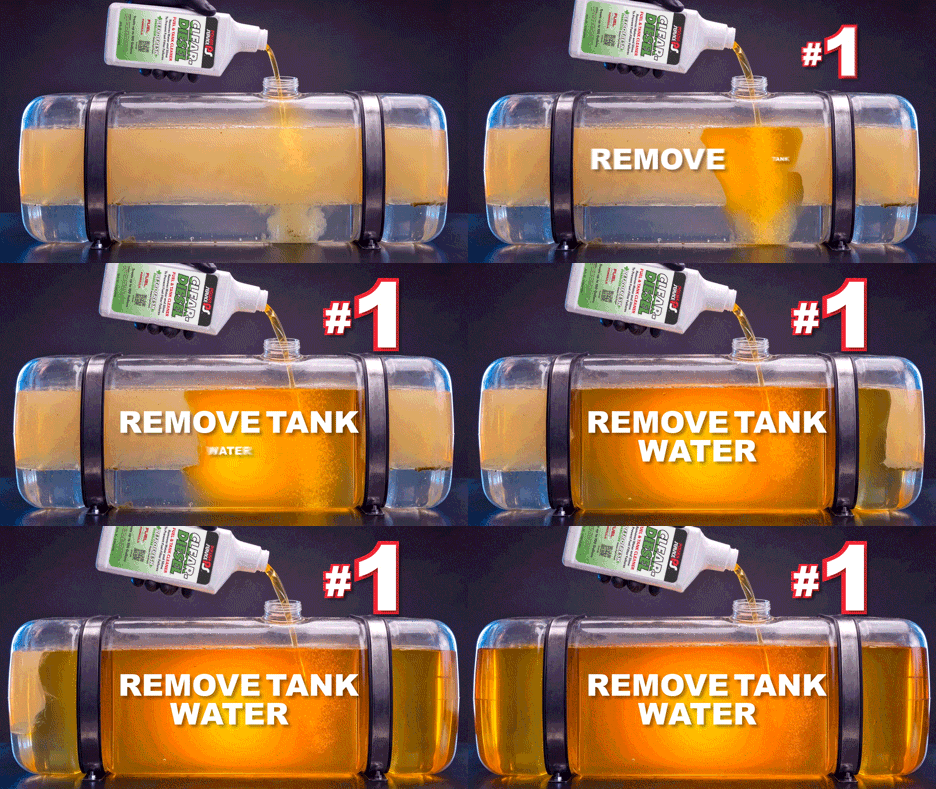
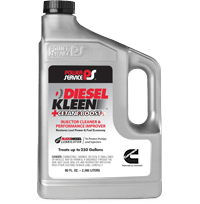
Before freezing temperatures arrive, eliminate the hidden moisture sitting at the bottom of your fuel tank. Clear-Diesel Fuel & Tank Cleaner disperses standing water, prevents fuel-filter icing, breaks down sludge, and stabilizes fuel for the cold months ahead.
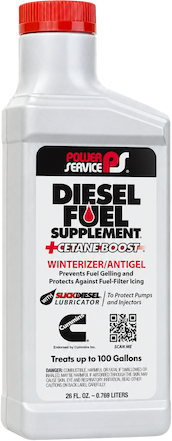
Step 2: Prevent Gelling
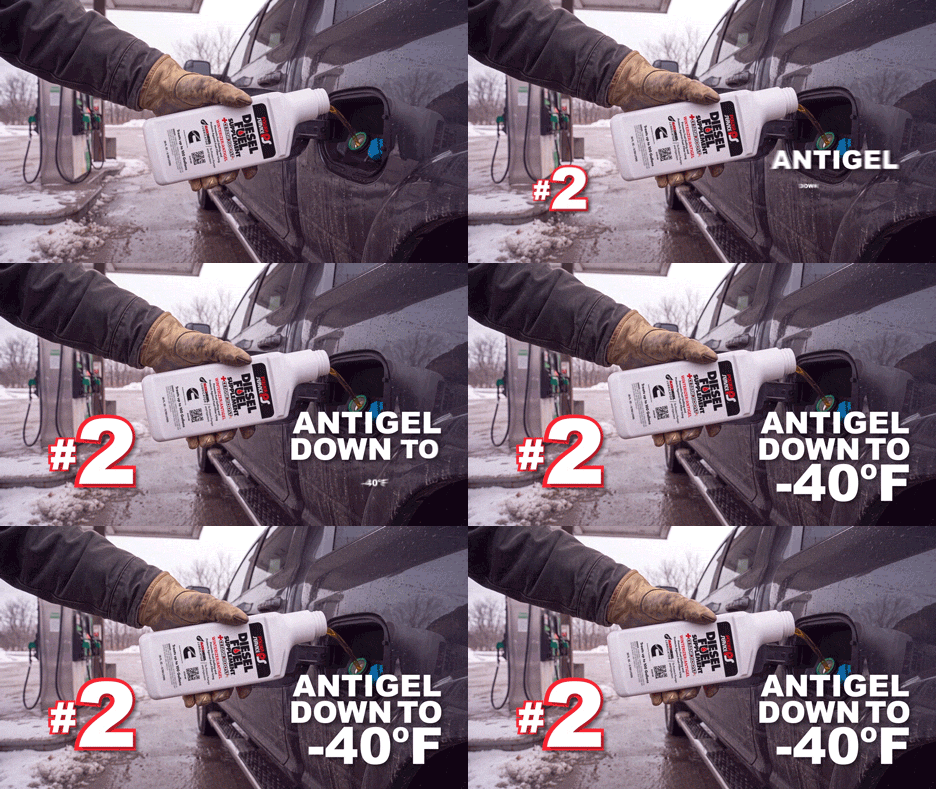
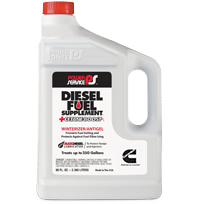
Once ambient temperatures drop toward 40°F, treat at every fill-up. Diesel Fuel Supplement +Cetane Boost prevents fuel gelling down to -40°F, lowers the Cold Filter Plugging Point (CFPP), boosts cetane for effortless cold starts, and prevents filter icing. Endorsed by Cummins.
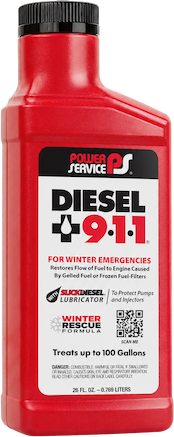
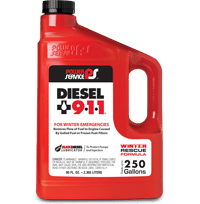
Step 3: Emergency Rescue
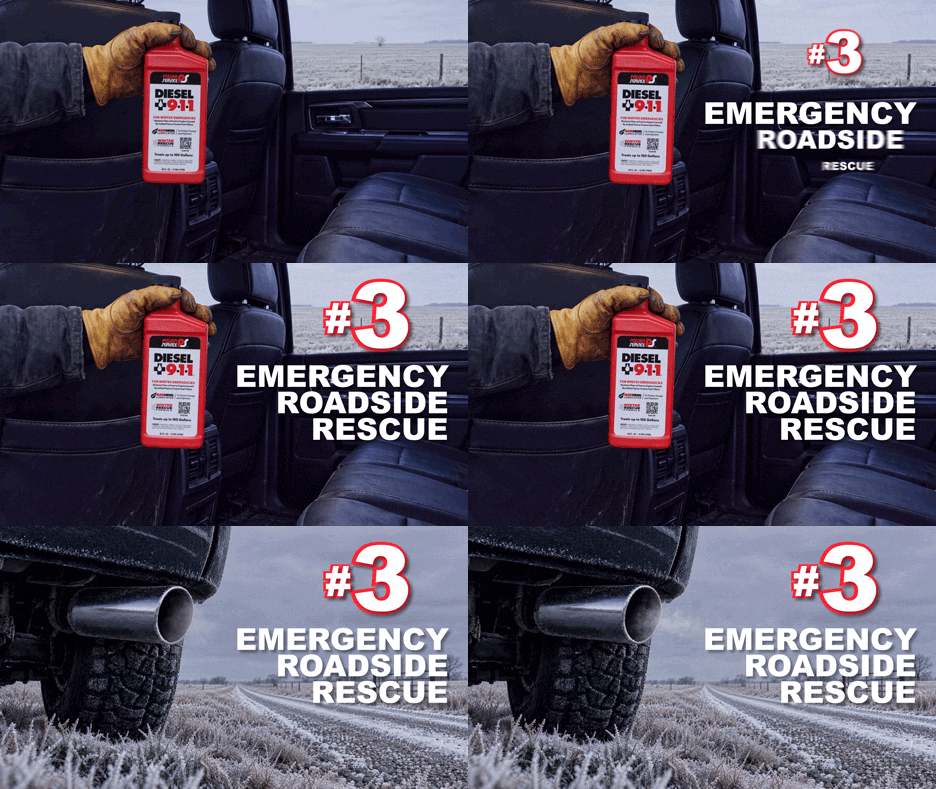
Keep Diesel 911 on hand for sudden Arctic fronts or untreated fuel emergencies. It reliquefies gelled diesel fuel, de-ices frozen fuel filters in minutes, and restores fuel flow to get stalled engines running again. Never use as everyday preventive maintenance.
Winter Operability and Field Guides.
Technical Brief
Why Antigels Don’t Melt Ice: The Science of Pre-Winter Diesel Tank Prep
Most winter fuel failures are blamed on gelled fuel, but laboratory inspections show frozen water across the filter face. Because preventative antigels modify wax crystals rather than dissolving moisture, they cannot prevent fuel-filter icing.
Moisture Condensation & Biodiesel Retention
Daily temperature swings pull moisture into equipment saddle tanks. Modern ULSD and biodiesel blends hold water in suspension until freezing nights drop it out of solution to pool on the tank floor.
2-Micron Filter Freezing at 32°F
Under sub-freezing airflow on the highway, entrained water coalesces across tight 2-micron paper pleats and freezes into a solid sheet of ice, starving high-pressure common rail (HPCR) pumps.
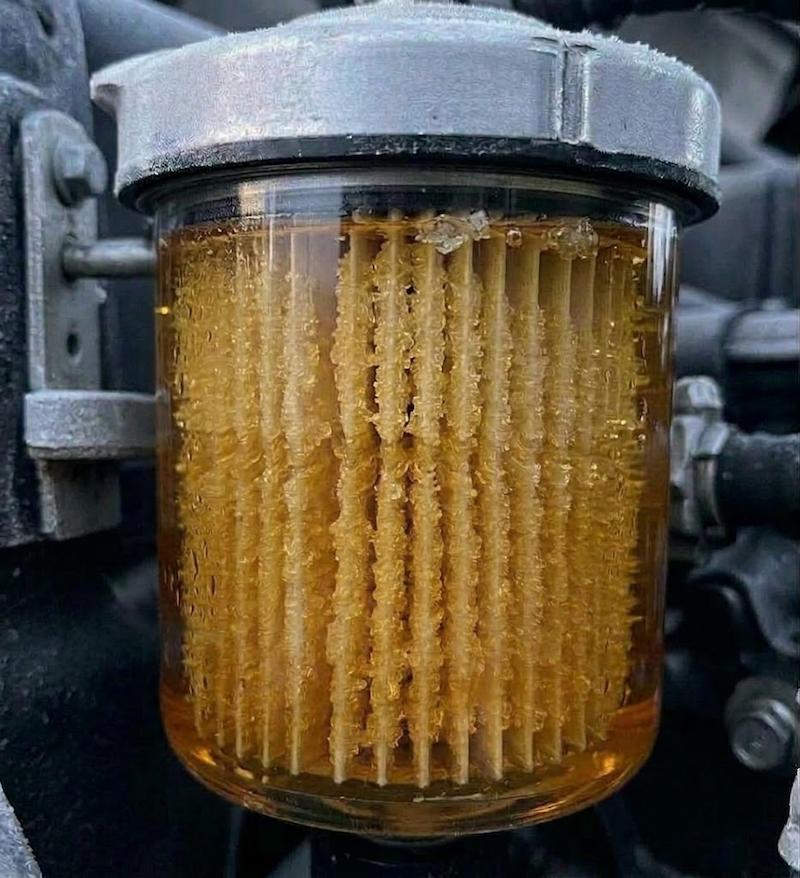
A diesel fuel filter obstructed by ice. Because water freezes at a higher temperature than the point where fuel gels, any unmanaged water present in the fuel will rapidly form ice on the media pleats, leading to premature filter plugging and failure before fuel gelling occurs.

Technically Authored & Verified By
Jessica Crabtree
Director of Technical Services | Power Service Products, Inc.
Chemist directing fuel operability testing, cold-flow additives, and High Pressure Common Rail (HPCR) research at Power Service Products.
Get the full 3-step winter maintenance protocol into your fleet and saddle tanks before sub-zero temperatures hit
Sign up to receive Power Service updates and resources.